
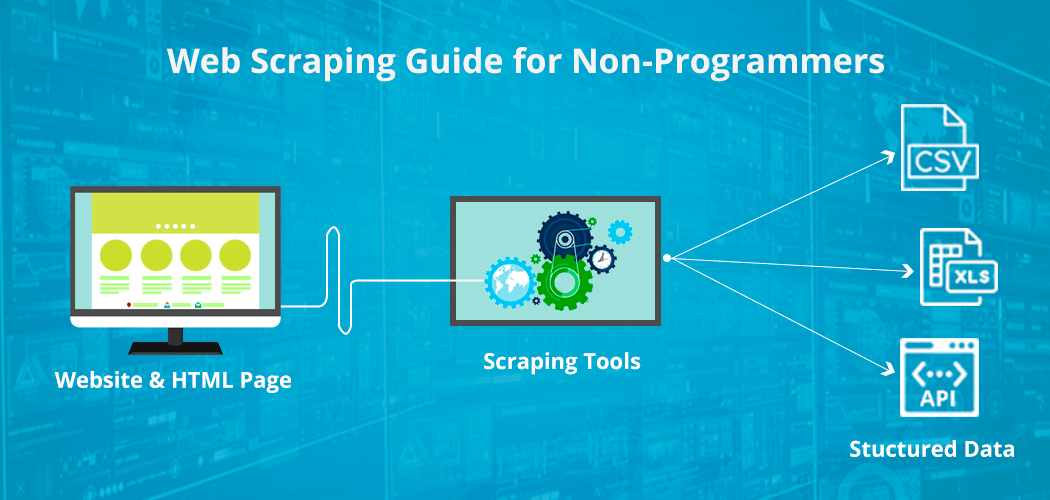
Web scraping is the process of extracting data from websites for analysis, automation, or archiving purposes. Python, with its rich ecosystem of libraries, offers a robust environment for building web scraping bots. One of the most popular tools for web scraping is Selenium, a powerful library that allows automation of web browsers. Selenium can interact with dynamic content, making it perfect for scraping websites that require JavaScript to load elements. In Screenshot API this article, we will walk through the process of building a web scraping bot using Python and Selenium.
To start building a web scraping bot, you need to install the required libraries. First, ensure you have Python installed on your system, and then install the necessary dependencies using pip. You’ll need to install Selenium and a web driver, such as ChromeDriver, which allows Selenium to control the Chrome browser. You can install Selenium with the following command: pip install selenium. Once installed, download the appropriate driver for your browser and set it up in your system’s PATH. With everything in place, you’re ready to start writing your scraping script.
The first step in writing a scraper with Selenium is to import the necessary libraries and set up the web driver. Selenium provides the webdriver module that allows interaction with browsers. You begin by initializing a browser session, either in headless mode (where no browser window opens) or with a visible browser. After that, you can use the get() method to load a webpage and wait for the page to fully load using WebDriverWait. This step is crucial because many modern websites load data dynamically, which can make scraping more complex. Selenium offers explicit and implicit waits to ensure the page is ready before interacting with the elements.
Once the page is loaded, Selenium allows you to locate HTML elements to scrape. The most common way to identify elements is by using CSS selectors or XPath. With the find_element_by_xpath() or find_element_by_css_selector() methods, you can locate elements such as headings, paragraphs, links, and images. After locating the element, you can extract its text or attributes. For example, to extract all links on a page, you can loop through elements with the tag <a> and retrieve their href attributes. It’s important to handle potential errors, such as missing elements, by using try-except blocks to avoid crashes during the scraping process.
After scraping the data, you may need to store it for later use. Common output formats include CSV, JSON, or databases like SQLite. You can use Python’s built-in libraries such as csv or json to write the scraped data to files. If the scraped data is more complex or requires frequent access, using an SQL database might be the best option. Additionally, to avoid being blocked by websites, it’s crucial to implement ethical scraping practices. This includes respecting robots.txt guidelines, not overloading the server with requests, and possibly introducing delays between requests to mimic human browsing behavior. With these best practices in mind, you can efficiently scrape data and use it for various purposes, from research to business automation.
In conclusion, building a web scraping bot with Python and Selenium is an effective way to automate the extraction of data from dynamic websites. By combining Python’s flexibility and Selenium’s browser automation capabilities, you can create powerful bots that can handle a variety of web scraping tasks. However, it is essential to be aware of the ethical implications and legal constraints of web scraping. Properly designed bots can help streamline data collection for research, market analysis, or personal use, but developers must always ensure their activities align with website terms of service and the law.