
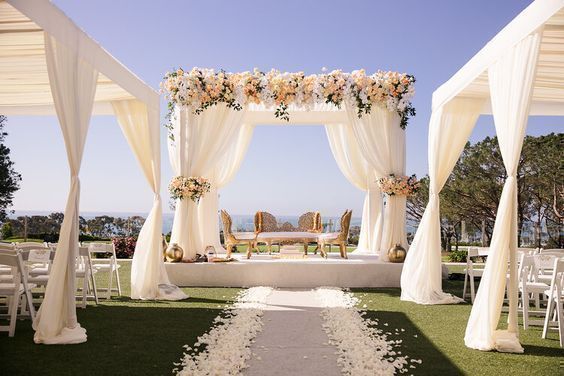
Decoration is both an art and a science, transforming spaces from mere functional areas into aesthetically pleasing environments that reflect personal style and enhance quality of life 香港室內設計 . From interior design trends to practical tips for achieving beautiful results, this article provides a comprehensive look at the essential aspects of decoration.
- The importance of Decoration
Decoration plays a crucial role in creating environments that are not only functional but also inviting and inspiring. Good decoration enhances the visual appeal of spaces, influences mood, and contributes to the overall atmosphere of a room. Whether it’s a home, office, or public space, thoughtful decoration can make a significant impact on how a space is perceived and experienced. - Understanding Current Trends
Staying updated with current decoration trends helps in making informed choices that reflect contemporary tastes. Popular trends include minimalism, which emphasizes simplicity and functionality; bohemian styles, known for their eclectic and vibrant mix of patterns; and eco-friendly designs that incorporate sustainable materials and practices. Understanding these trends can help in selecting elements that align with current styles while also adding a personal touch. - Color Theory and its Impact
Color is a fundamental element in decoration, influencing the mood and perception of a space. Color theory explores how colors interact and affect emotions. For instance, cool colors like blues and greens can create a calming effect, while warm colors like reds and yellows can energize and invigorate. Choosing the right color palette is essential for achieving the desired ambiance in any space. - The Role of Furniture
Furniture selection and arrangement are critical aspects of decoration. The choice of furniture should complement the overall design theme while also meeting practical needs. For example, modern furniture pieces might be chosen for their sleek lines and functionality, while vintage furniture could add character and charm. Proper arrangement ensures optimal use of space and enhances the flow of a room. - Incorporating Textures and Patterns
Textures and patterns add depth and interest to decorative schemes. Mixing different textures, such as soft fabrics, hard surfaces, and natural materials, creates a dynamic visual experience. Patterns, whether in textiles, wallpapers, or artwork, contribute to the personality of a space. Balancing textures and patterns effectively can elevate the aesthetic appeal and make a room feel more cohesive. - Lighting and its Effects
Lighting is a crucial element in decoration, affecting both the functionality and mood of a space. Various types of lighting—ambient, task, and accent—serve different purposes. Ambient lighting provides general illumination, task lighting focuses on specific areas like workspaces, and accent lighting highlights architectural features or artwork. Proper lighting enhances the overall design and creates a welcoming atmosphere. - Artwork and Personal Touches
Artwork and personal items add individuality and character to a space. Selecting pieces that resonate personally or complement the design theme can make a room feel more unique and lived-in. Artworks, photographs, and souvenirs contribute to the personality of a space and reflect the tastes and experiences of the occupants. - Functional Decoration
Decoration is not only about aesthetics but also about functionality. Functional decoration includes elements that serve a purpose while contributing to the overall design. For example, stylish storage solutions, multi-purpose furniture, and well-organized layouts combine beauty with practicality. Ensuring that decorative elements also enhance functionality can lead to more efficient and enjoyable living spaces. - Seasonal and Thematic Decorating
Adapting decoration to reflect seasonal changes or specific themes can keep a space feeling fresh and relevant. Seasonal decorating involves incorporating elements like colors, textures, and motifs that align with different times of the year, such as autumn leaves or summer florals. Thematic decorating, whether for holidays, events, or personal interests, adds a creative touch and keeps spaces engaging. - Future Trends in Decoration
The future of decoration will likely continue evolving with advancements in technology and design innovations. Emerging trends may include smart home integration, where technology seamlessly blends with décor; sustainable and eco-friendly materials; and personalized designs driven by data and AI. Staying informed about these developments can help in adopting new techniques and incorporating cutting-edge ideas into decoration projects.
Conclusion
Decoration is an artful blend of creativity and practicality, transforming spaces into environments that are both beautiful and functional. By understanding current trends, utilizing color theory, incorporating textures and patterns, and focusing on both aesthetic and functional elements, individuals can create spaces that reflect their personal style and enhance their quality of life. As decoration continues to evolve, staying updated with emerging trends and innovations will ensure that spaces remain stylish and relevant.