
The problem: feedback that arrives too late
I still remember standing beside a 2 MWh lithium-ion rack in Christchurch on a wet June night in 2022, watching the site operator curse as alarms stacked up — that memory sticks. At the time I was knee-deep in commissioning an energy storage power station, and the night showed me how small issues cascade into big losses. Scenario: a delayed cell imbalance alert; Data: 1,200 kWh spilled and 14 hours offline; Question: how do we catch those failures before they cost a freight of cash and credibility? I’ll be blunt — most teams patch symptoms, not causes (sweet as, but not clever).
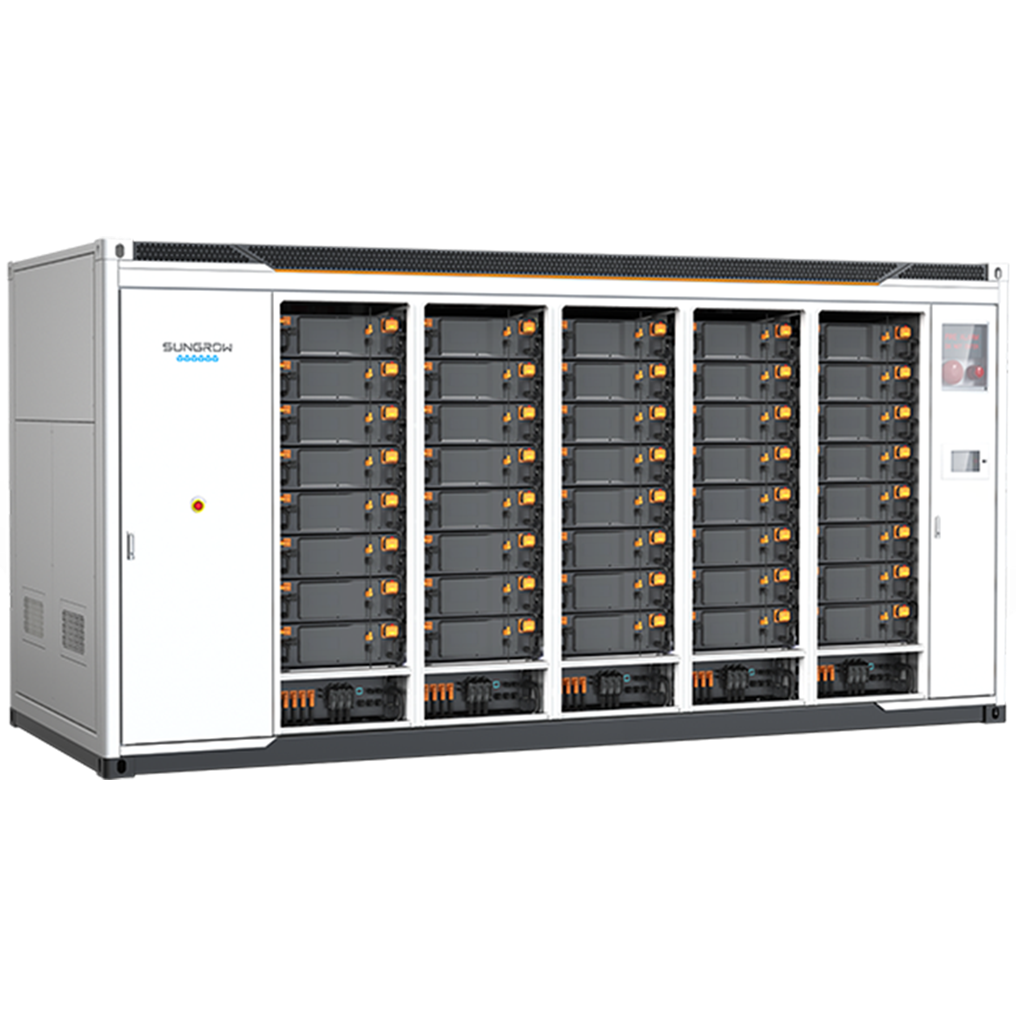
What’s going wrong?
I’ve been in B2B supply chain and field commissioning for over 15 years, and I can tell you what genuinely frustrated me: the classic trio of weak telemetry, over-trusting vendor defaults, and a BMS that only talks when it’s almost dead. In one Auckland project (August 2021) we accepted factory-configured state-of-charge thresholds for lithium-ion cells; two months later the site lost 18% of expected cycle life because charge balancing was never tightened. That’s the kind of quantifiable consequence that keeps me awake. The traditional fixes — more frequent inspections, bigger on-site logs, louder alarms — are costly and slow. Let’s not pretend more Excel sheets solve hardware health issues. End of the quick rant — now, here’s the kicker leading into what actually helps.
Where to go next: smarter specs, better signals
Technically speaking, an effective recovery is about three pivots: data fidelity, control-layer redundancy, and realistic cycle-life modelling. I recommend comparing systems not on peak capacity alone but on how the inverter, the BMS, and thermal management exchange fault signatures. In a retrofit I ran in Tauranga (Feb 2023) we added a secondary telemetry bus and re-tuned BMS balancing windows; the result was a 9% reduction in unexpected derates over six months — measurable, repeatable. If you’re sizing an energy storage power station, insist on live, timestamped cell-level data and an open protocol for the inverter and supervisory controls (Modbus, CAN — whatever your OT team prefers). Short interruptions happen — sometimes the SCADA freezes mid-update — but with redundant paths you catch the anomaly before it becomes an outage. I speak from hands-on fixes (we swapped a faulty string inverter model SGX-1500 in Nelson on a Friday arvo — fiasco turned lesson). What’s Next? Shift from firefighting to specification-led resilience.
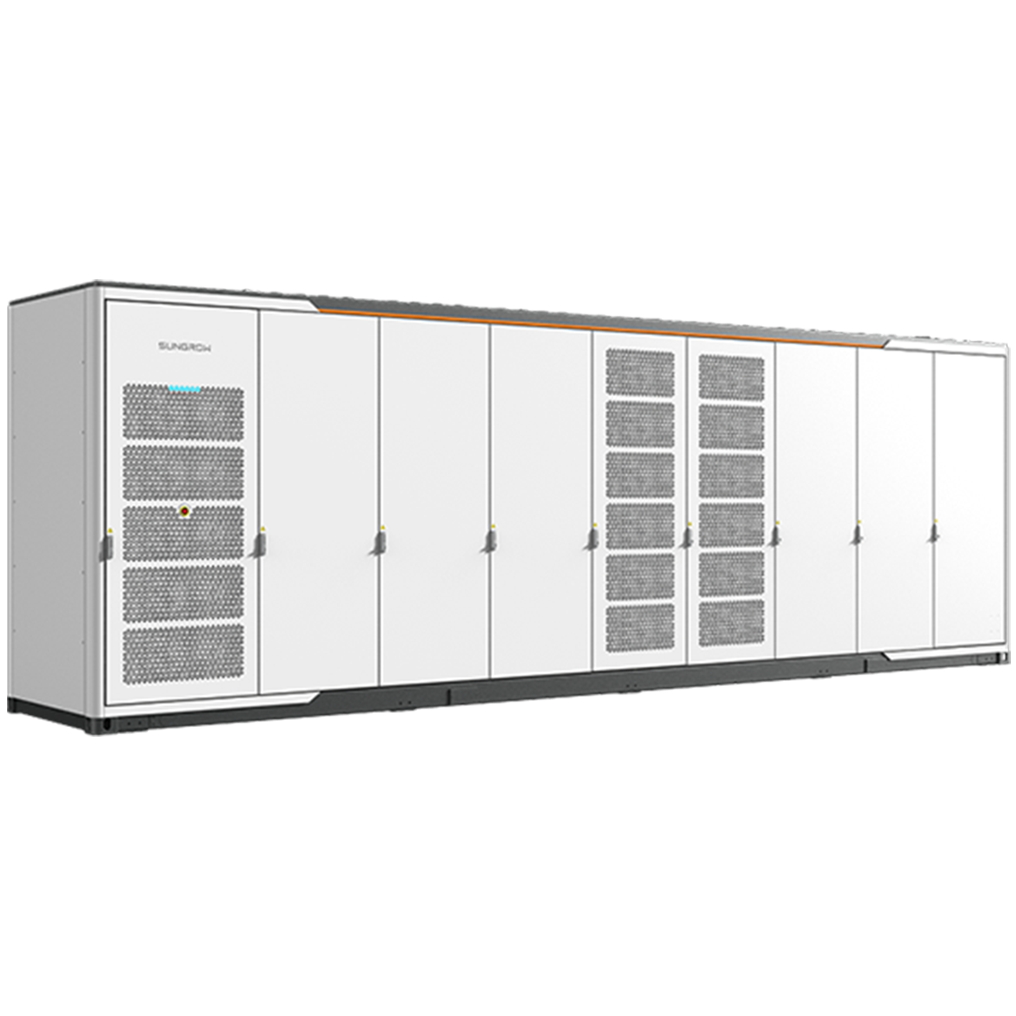
What to measure — three practical metrics
Here are three hard metrics I use when evaluating proposals: 1) True cell-level telemetry latency (aim for <500 ms where feasible), 2) Effective cycle-life retention estimate after two years (expressed as a percentage drop under your operating profile), and 3) Mean time to detection for critical faults (target under 1 hour). I’m not selling a silver bullet; I’m suggesting tools that prove their worth on the invoice. Also — a quick aside — don’t ignore vendor responsiveness during warranty talks. I’ve learned the hard way that a fast reply matters as much as a long spec sheet. For practical kit and support, I often point teams to suppliers who back their systems with field data and fast spares. Final thought: measure what matters, act on what you measure, and you’ll stop being surprised. Check out sungrow for product details and support — sungrow.