
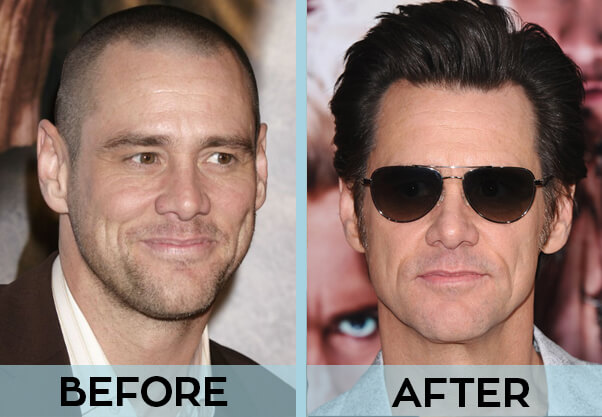
As the demand for hair restoration procedures continues to grow, Turkey has emerged as a leading destination for both hair implants and transplants. With world-class clinics and cutting-edge technology, choosing the right procedure can be challenging. This guide aims to provide a comprehensive overview of hair implants and transplants, helping you make an informed decision based on your individual needs and goals.
Understanding Hair Implants and Transplants
Before deciding between hair graft turkey, it’s essential to understand the differences between these procedures. Both aim to restore hair but use different methods and techniques.
Hair Transplants: This procedure involves moving hair follicles from one part of your body, typically the back of the head, to areas experiencing thinning or baldness. The most common techniques include Follicular Unit Extraction (FUE) and Follicular Unit Transplantation (FUT). FUE extracts individual hair follicles, while FUT involves removing a strip of scalp tissue and then dissecting it into individual follicular units.
Hair Implants: Also known as hair grafts, this procedure focuses on placing individual hair follicles or grafts into the scalp. Unlike transplants, implants can involve different methods such as Direct Hair Implantation (DHI) or robotic-assisted techniques. These methods often provide more control over follicle placement and can yield a more natural-looking hairline.
Evaluating Your Hair Restoration Needs
Determining whether hair implants or transplants are suitable for you depends on several factors, including your hair loss pattern, overall health, and aesthetic goals.
Hair Loss Pattern: If you have extensive hair loss or thinning in multiple areas, a hair transplant might be more effective as it can cover larger areas with more density. Hair implants, on the other hand, can be ideal for smaller areas or touch-ups where precise follicle placement is crucial.
Scalp Condition: Consider the condition of your scalp and donor areas. A hair transplant generally requires a healthy donor area with sufficient hair follicles, while hair implants might be an option if your donor area is limited but you still have some existing hair to work with.
Aesthetic Goals: Think about your desired outcome. Hair transplants can provide fuller coverage and are often used for more significant hair loss, while hair implants can offer more detailed and refined results, especially for areas requiring precise hairline adjustments.
Comparing Techniques and Technologies
Both hair implants and transplants in Turkey benefit from advanced techniques and technologies, which can influence your decision based on effectiveness and personal preference.
Follicular Unit Extraction (FUE): A minimally invasive technique that involves extracting individual hair follicles and implanting them into the thinning areas. FUE is known for its precision and minimal scarring, making it a popular choice.
Follicular Unit Transplantation (FUT): Involves removing a strip of scalp tissue, dissecting it into follicular units, and transplanting them into the recipient area. FUT can be suitable for patients requiring a larger number of grafts but may leave a linear scar.
Direct Hair Implantation (DHI): An advanced method that uses a specialized pen to implant hair follicles directly into the scalp. DHI offers greater control over follicle placement and can provide a more natural appearance with minimal downtime.
Robotic-Assisted Techniques: Cutting-edge technology that uses robotics to assist in hair extraction and implantation, providing high precision and consistency in results.
Considering Recovery and Aftercare
Understanding the recovery process and aftercare requirements for each procedure is vital in making your decision. Both hair implants and transplants require careful attention to ensure optimal results.
Recovery Time: Hair transplants generally require a recovery period of 7 to 10 days, during which you may experience swelling, redness, and minor discomfort. Hair implants often involve a shorter recovery time, with minimal swelling and a quicker return to normal activities.
Post-Operative Care: Both procedures require following specific aftercare instructions, including gentle washing, avoiding strenuous activities, and taking prescribed medications. Adhering to these guidelines is crucial for successful healing and hair growth.
Long-Term Maintenance: Regular follow-up appointments with your surgeon are essential to monitor progress and address any concerns. Maintaining a healthy lifestyle and following your surgeon’s advice can help sustain your results.
Assessing Costs and Value
The cost of hair restoration procedures in Turkey can vary depending on the technique used, the extent of the procedure, and the clinic’s reputation.
Hair Transplants: Typically more expensive due to the complexity of the procedure and the number of grafts required. However, the investment often results in a more comprehensive coverage and a permanent solution for hair loss.
Hair Implants: Generally more affordable and can be a cost-effective option for smaller areas or touch-ups. It’s important to consider the value of the procedure in relation to the desired outcome and long-term benefits.
Clinics and Packages: Research various clinics and their offerings. Many clinics in Turkey provide package deals that include accommodation, transportation, and post-operative care, which can offer additional value and convenience.
Choosing the Right Clinic in Turkey
Selecting the best clinic for your hair restoration needs is crucial for achieving satisfactory results. Consider the following factors when evaluating clinics in Turkey:
Reputation and Experience: Look for clinics with a strong reputation and experienced surgeons. Read patient reviews, check before-and-after photos, and ask about the clinic’s success rates.
Technology and Techniques: Ensure the clinic uses advanced techniques and technology that align with your chosen procedure. High-quality equipment and modern techniques can significantly impact the outcome.
Consultations and Communication: Schedule consultations with multiple clinics to discuss your options and get a feel for their approach. Effective communication and personalized care are essential for a successful experience.
Making the Final Decision
Ultimately, the choice between hair implants and transplants depends on your specific needs, goals, and preferences. Take the time to research your options, consult with experienced professionals, and consider the factors discussed above.
Personal Consultation: A detailed consultation with a qualified hair restoration specialist in Turkey will provide valuable insights into the best approach for your situation. Discuss your expectations, ask questions, and review your options thoroughly.
Informed Choice: Make an informed decision based on your research, consultations, and understanding of the procedures. Whether you opt for hair implants or transplants, ensuring that the procedure aligns with your goals and expectations will lead to a more satisfying result.
Conclusion: Achieving the Best Results with Informed Choices
Choosing between hair implants and transplants in Turkey requires careful consideration of various factors, including your hair loss pattern, aesthetic goals, and the available techniques. By understanding the differences between these procedures and evaluating your options, you can make an informed decision that aligns with your needs. With Turkey’s reputation for excellence in hair restoration and its commitment to advanced technology, you can look forward to achieving a successful and satisfying hair restoration journey.