
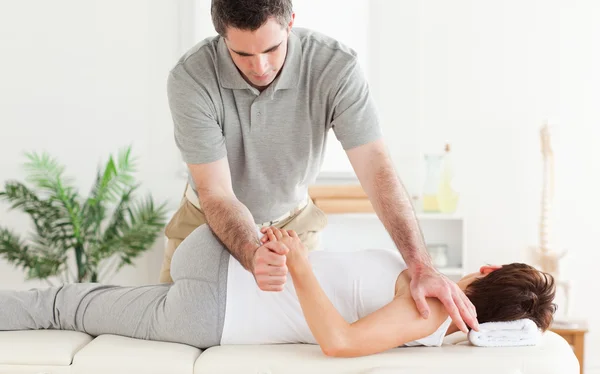
Athletes put tremendous strain on their bodies during training and competition, making recovery an essential part of their regimen. One highly effective recovery method is massage therapy, which helps to alleviate muscle soreness, reduce tension, and improve overall 호치민이발소 physical function. Understanding the benefits of massage for athletes and incorporating it into recovery routines can lead to better performance and reduced risk of injury.
Massage therapy aids recovery by increasing blood flow to the muscles, which promotes faster healing by delivering oxygen and nutrients while removing metabolic waste. This enhanced circulation helps reduce muscle stiffness and soreness often experienced after intense workouts. Additionally, massage stimulates the nervous system, leading to relaxation and a decrease in stress hormones like cortisol, which can hinder recovery if elevated for too long.
Different types of massage techniques offer various benefits suited to athletes’ needs. For example, deep tissue massage targets the deeper layers of muscle and connective tissue to release chronic tension and adhesions. Sports massage combines techniques such as effleurage and trigger point therapy to improve flexibility, decrease muscle tightness, and prevent injuries. Selecting the right technique depends on the athlete’s sport, training intensity, and specific areas of discomfort.
Timing is crucial when integrating massage into an athlete’s routine. Pre-event massage can prepare muscles by increasing circulation and warming up tissues, while post-event massage focuses on reducing inflammation and accelerating recovery. Regular massages during training cycles can maintain muscle health and address minor issues before they develop into more serious injuries. It’s important for athletes to communicate openly with their massage therapists to tailor the sessions to their unique needs.
Besides physical benefits, massage also supports mental recovery. The calming effect of massage helps reduce anxiety and improve sleep quality, both of which are critical for athletes to perform at their best. Mental relaxation encourages a positive mindset and better focus during training and competition, complementing the physical recovery achieved through massage therapy.
In conclusion, massage is a valuable tool for athletes seeking to optimize recovery and enhance performance. By improving circulation, reducing muscle tension, and supporting mental well-being, massage therapy addresses multiple aspects of athletic health. Incorporating massage regularly, with attention to timing and technique, can make a significant difference in an athlete’s ability to train hard, compete safely, and recover effectively.