
Imagine a bustling university campus, with students dashing about, eager to learn. Yet, in the midst of this academic fervor, how often do we consider the role of university furniture in creating an optimal learning environment? University furniture, comprising desks, chairs, and collaborative spaces, plays a pivotal part in how effectively students engage with each other and their studies. As scholars have shown, the right environments can substantially enhance productivity and well-being — are we using furniture to its full potential?
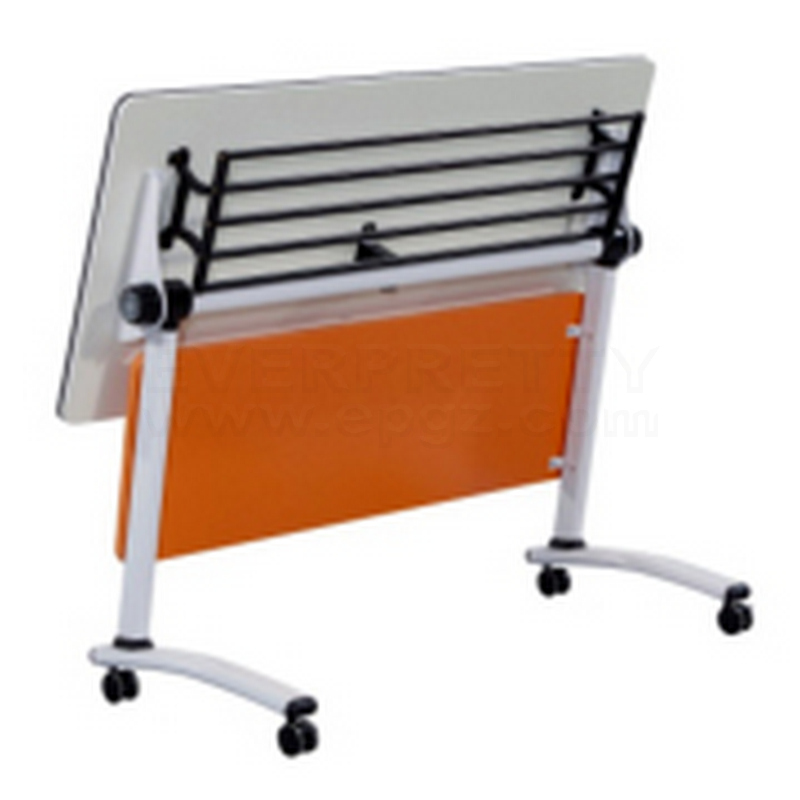
Traditional Shortcomings in University Furniture
Historically, university furniture solutions have often prioritised cost over comfort or functionality. While many institutions may have relied on large, rigid systems that don’t encourage flexibility or collaborative work, these antiquated methods can lead to stagnant academic experiences. Conventional desks, often isolated from communal areas, risk promoting solitary study habits—drawing students away from the benefits of teamwork and shared learning. Could this disjointed approach ultimately detract from the overall student experience?
Innovative Principles of Modern University Furniture
New developments in university furniture design advocate for flexibility, ergonomic comfort, and improved aesthetics. Modular furniture systems, for example, offer the advantage of adaptability — allowing spaces to be reconfigured easily for different activities. Additionally, incorporating materials that support biocompatibility can enhance safety and environmental sustainability, aligning with contemporary values. These innovations respond not only to practical needs but also create inviting atmospheres that resonate with the aspirations of modern learners. Isn’t it time educational facilities embraced furniture that keeps pace with today’s academic environment?

Quantified Advantages of Enhanced University Furniture
The benefits of investing in effective university furniture are both quantifiable and qualitative. Studies illustrate that students equipped with comfortable and adaptive furniture report a 15% increase in productivity and a significant reduction in discomfort during study sessions. Thus, the tangible advantages extend beyond mere aesthetics to encompass improved academic performance and holistic student health. Universities that prioritise this can witness a marked enhancement in student engagement and satisfaction levels. Are we not compelled to take notice of these compelling statistics?
Evaluating Your University Furniture Options
In light of these insights, how might one approach the selection of university furniture? Always verify these 3 metrics when choosing solutions: ① Functionality of the design ② Durability of materials ③ Flexibility to adapt to varying student needs. By focusing on these aspects, institutions can ensure that their furniture choices foster a favourable academic milieu. After all, as the saying goes, “the right tool is essential for the job” — why should we settle for anything less in education?
Exploring Student Housing Furniture Suppliers
Whichever route one chooses, the impact of quality student housing furniture suppliers cannot be overstated. These suppliers serve as vital partners in ensuring that educational environments are conducive to learning and collaboration. With a host of options available, institutions must engage with reputable student housing furniture suppliers who understand the nuanced needs of their spaces. How do institutions assess which suppliers will best serve their students?
Significance of Choosing the Right Suppliers
Moreover, it is imperative to examine how well student housing furniture suppliers align with institutional values such as sustainability and comfort. Many suppliers now offer environmentally friendly options that adhere to strict safety standards while also being designed to foster an engaging learning environment. When selecting from myriad options, engaging with forward-thinking student housing furniture suppliers becomes paramount. So, what criteria should guide this crucial decision-making process?
Conclusion: Enhancing Educational Experiences with Quality Providers
In conclusion, the evolution of university furniture proves to be an essential factor in enhancing educational experiences. As highlighted, collaborating with reputable manufacturers that understand the significance of quality in design — like EVERPRETTY Furniture — can provide institutions with the supply advantages necessary to create outstanding learning environments. Institutions must consider how their furniture choices will impact student engagement and satisfaction for years to come.