
Did you know that over 90% of organizations have experienced some form of cyber attack in the past year? With such staggering statistics, it’s no wonder appliance firewalls are becoming essential for businesses aiming to protect their sensitive data!
The Essentials of Appliance Firewalls and Their Legal Attributes
Appliance firewalls serve as a crucial line of defense against unauthorized access and cyber threats. These devices not only enhance security but also come with specific legal attributes that organizations must consider. In terms of compliance, appliance firewalls play a significant role in adhering to Anti-Trust Laws and Competition Regulations by ensuring fair practices while protecting consumer data. They help companies maintain transparency in their operations, thereby fostering trust among consumers.
Diving Deeper into ShareVDI and Its Compliance with Anti-Trust Laws
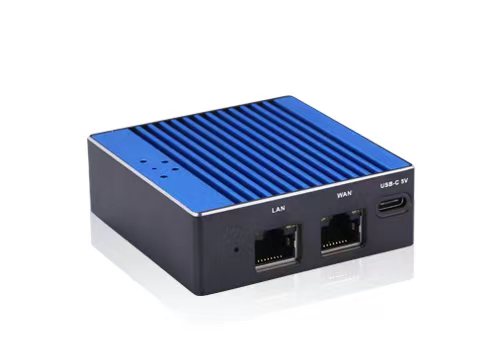
sharevdi is an innovative solution that allows multiple users to share virtual desktop infrastructure seamlessly. When we look at its relationship with Anti-Trust Laws and Competition Regulations, it becomes clear how vital this technology is for promoting competitive fairness. By enabling efficient resource sharing without compromising on performance or security, sharevdi ensures that all players in the market can compete effectively without engaging in anti-competitive behavior.
The Characteristics of Industrial Rugged Computers Under Anti-Trust Regulations
When discussing industrial rugged computers within the context of Anti-Trust Laws and Competition Regulations, several key features stand out:
- Durability: Designed to withstand harsh environments while maintaining operational integrity.
- Scalability: Easily adaptable to meet growing business needs without creating monopolistic barriers.
- Cohesion: Facilitates collaboration between different sectors while complying with regulatory standards.
- Sustainability: Promotes eco-friendly practices which align with modern regulations aimed at reducing environmental impact.
- User Accessibility: Ensures equal access for all users regardless of company size or resources available.
A Joyful Conclusion on Appliance Firewalls’ Role in Compliance
In summary, appliance firewalls are not just about securing networks; they embody important legal characteristics related to Anti-Trust Laws and Competition Regulations. By understanding these aspects, businesses can leverage appliance firewalls not only as protective measures but also as tools for fostering fair competition within their industries! Embracing these technologies means embracing a future where cybersecurity meets compliance joyfully!
